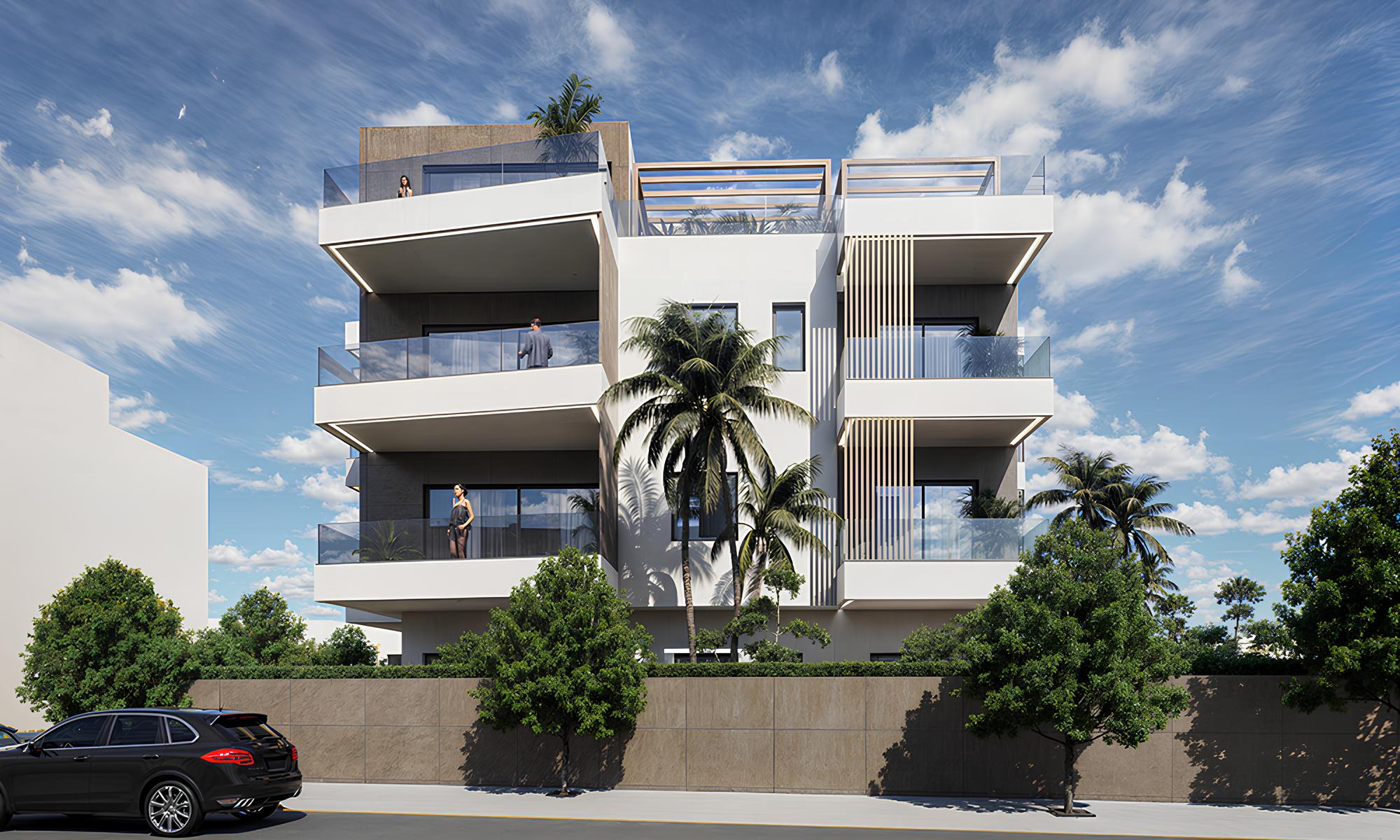
When buying real estate in Greece, investors should consider not only the property’s price but also the investment potential of the region, the current Golden Visa investment thresholds, taxes and associated transaction costs, rental restrictions, and the legal due diligence of the property. Today, Athens and the Athenian Riviera attract the greatest interest from investors, offering the country’s most liquid real estate markets, strong rental demand, and consistent price growth. In this guide, we explore where to buy property in Greece, what costs to include in your budget, and the key factors to consider when selecting an investment property.
Buying Real Estate in Greece: Overview
- Buying property in Greece remains one of the most affordable ways to invest in the EU and obtain a residence permit through the Golden visa program. The market is steadily growing, especially in tourist regions where demand for rentals remains high.
- The purchase process includes obtaining a tax number (AFM) and executing a notarized sales contract. After that, the transaction is registered in the cadastre (Ktimatologio), which officially confirms the buyer’s ownership rights.
- Additional costs average 5–7% of the property price: 3.09% tax, notary fees, registration, agent commission. VAT of 24% is temporarily suspended until the end of 2026.
- The Golden Visa program grants the right to a residence permit for a property purchase starting from €250,000. The residency is issued for 5 years to the investor and their family, with the right of multiple renewals while maintaining ownership.
Why Investors Choose Real Estate in Greece in 2026
In 2026, Greece remains one of the most promising real estate markets in Europe due to a combination of affordable prices, stable growth, and flexible conditions for investors. Average annual housing price growth is about 10%, with demand supported by both the domestic market and foreign buyers. Tourism ensures a high level of rental income year-round, and the Golden visa program is one of the most popular in the EU.
Additional advantages include low property taxes, legal protection under European law, and the ability to earn rental income immediately after purchase.
Key Indicators of the Greek Real Estate Market in 2026
The Greek real estate market continues to demonstrate strong and sustainable growth. Following the recovery of the economy and tourism sector, residential property prices have been increasing by an average of 6–10% per year. According to the International Monetary Fund, housing prices in Greece have risen by 85% since 2017, with the most significant growth occurring in the post-pandemic years.
Foreign investment remains one of the key drivers of the market. Many buyers view Greek real estate not only as a means of preserving capital but also as a source of rental income and a pathway to residency through the Golden Visa program. Strong demand for long-term rentals from students, expatriates, professionals, and families provides property owners with a stable income stream, while average rental yields across the country stand at around 4% per year.
Another important advantage for investors is Greece’s transparent legal framework. All property transactions are executed before a notary and registered with the Hellenic Cadastre, ensuring a high level of ownership protection. The tax burden also remains relatively low by European standards: property owners pay the annual ENFIA property tax, while capital gains tax on real estate remains suspended until the end of 2026. Combined with consistent market growth, stable rental demand, and a predictable regulatory environment, Greece continues to rank among Europe’s most attractive destinations for long-term real estate investment.
Best Places to Buy Real Estate in Greece in 2026
In 2026, Athens and the Athenian Riviera remain among the most attractive locations for real estate investment in Greece. The region is home to the country’s largest infrastructure projects, attracts significant interest from international investors, and offers the most liquid property market in Greece. Steady price appreciation and strong rental demand make it particularly appealing for Golden Visa applicants and investors focused on long-term capital growth.
- Athens remains Greece’s primary investment hub and the country’s most liquid real estate market. The city combines modern infrastructure, a strong tourism sector, an international business community, and consistent rental demand. Central districts and the southern suburbs are particularly sought after, benefiting from ongoing residential and commercial development. Demand is supported by both domestic buyers and foreign investors.
- The Athenian Riviera is considered one of the Mediterranean’s most prestigious coastal destinations. The large-scale redevelopment of the former Ellinikon airport, together with the construction of new residential projects, marinas, parks, and retail areas, continues to enhance the region’s investment appeal. Areas such as Glyfada, Voula, and Vouliagmeni are highly sought after by affluent buyers and tenants, offering strong liquidity and long-term appreciation potential.
- Thessaloniki and Northern Greece continue to attract investors thanks to ongoing infrastructure development, a strong university presence, and stable demand for long-term rentals. The region remains one of the country’s most promising markets for investors seeking long-term growth opportunities.
- The Greek islands, including Crete, Rhodes, and Corfu, remain popular due to their established tourism sectors and high quality of life. Properties in these destinations are consistently sought after by international buyers looking for both lifestyle benefits and rental income. However, in terms of market liquidity and the scale of investment opportunities, island markets generally remain behind Athens and the Athenian Riviera.
Taxes Paid by Investors When Buying Real Estate in Greece in 2026
In 2026, the main tax burden when buying real estate in Greece remains one of the most transparent in Europe. Buyers of new properties pay a total of about 3.09% in taxes and 5–7% total expenses from the property price, including notary and registration fees.
Main Taxes
- Transfer Tax: 3%. This is the main tax when buying real estate. It is calculated based on the cadastral value of the property set by the Ministry of Finance. If the market value is higher, it may apply instead.
- Municipal Surcharge: 0.09%. Additional tax is charged on the main tax and goes to the local municipality budget.
- VAT 24% temporarily suspended until December 31, 2026. For new constructions, VAT temporarily does not apply. If the exemption is not extended, from 2026 the VAT may return to its previous level.
Additional Expenses
- Notary fees: 1–2% of the transaction price. All real estate transactions in Greece go through a notary who prepares the sales contract, certifies it, and registers it in the state registry.
- Property registration: 0.5–0.7%. After signing the contract, the transaction is registered in the Land Registry (Hypothikofilakio) or Cadastre (Ktimatologio), depending on the region. Fees also depend on the property type and location.
- Legal support: 0.5–1.5% (negotiable). Recommended for checking the property’s “cleanliness”: ownership history, absence of debts, compliance with cadastral data and permits.
- Agent commission: 2–3%. Often shared between buyer and seller, conditions depend on the agreement with the real estate agency.
Example of Taxes and Fees Calculation
For а new apartment costing €300,000, total purchase costs will be:
- €9,000 for the transfer tax (3%),
- €270 for municipal surcharge (0.09%),
- €4,500 for notary fees (1.5%),
- €1,500 for property registration (0.5%).
Thus, total expenses for this apartment will be around €15,270, which is approximately 5.1% of the property price, excluding possible lawyer and agent fees.
How the Greek Residence Permit Program Through Property Purchase Works
Greece’s Golden visa program allows the investor and family members to obtain a residence permit for 5 years with the possibility of renewal while maintaining property ownership. Residency status provides visa-free access to the Schengen area, the right to open accounts in European banks, conduct business in the EU, access European-level healthcare and education, and serves as a reliable “Plan B” for the family.
- Duration of residence permit: 5 years with renewal while retaining ownership.
- Eligibility: Citizens of non-EU countries over 18 years old, with no criminal record, and with health insurance.
- Family inclusion: Investor may include a spouse, children under 21, and parents of both sides.
- Residence requirement: No obligation to live in Greece to renew the permit.
- Short-term rental prohibited (e.g., Airbnb). Important for investors planning rental income.
- Mortgage prohibited for obtaining a residence permit; the property must be fully paid with investor’s personal funds.
- Citizenship possible after 7 years with language knowledge and societal integration.
Investment amounts depend on the region: higher requirements in popular locations, more affordable in less touristy areas. Also, participation is possible through purchasing renovated properties at a reduced price.
| Minimum Investment | Regions | Conditions |
| €800 000 | Athens, Attica, Thessaloniki, Crete, Santorini, Mykonos, cities with population >3,100 | Purchase of new property ≥120 m² |
| €400 000 | Other regions of Greece | Purchase of new property ≥120 m² |
| от €250 000 | Alternative format | Purchase of renovated properties converted to residential fund |
Why Renovated Properties Are Popular Investments in Greece
Investing in renovated properties is one of the most in-demand ways to obtain a Greek residence permit. The investor buys an apartment in a building that the developer fully restores and converts from commercial to residential use — e.g., old offices, shops, or warehouses.
Advantages:
- Minimal hassle: Developer handles design, renovation, paperwork, and commissioning — investor only selects the property.
- Modern standards: All renovation projects meet EU requirements for energy efficiency, safety, and construction quality.
- Accessible market entry: Investors can buy properties in prestigious areas at a lower cost, making it attractive for those seeking a residence permit and investing in a growing market.
How to Buy Property and Obtain a Greek Residence Permit
Buying property and obtaining residency via the Golden visa program takes on average from 4 months. The procedure is step-by-step and can be done remotely via a trusted lawyer.
- Property selection — The investor is offered options meeting requirements (from €250,000). Properties can be viewed remotely via photos/videos or in person in Greece.
- Document preparation — Compile list of documents for transaction and residence permit. Papers are notarised, translated into Greek, and apostilled. The lawyer assists with forms and verification.
- Obtain tax number (AFM) — Without Greek AFM, purchase is impossible. The lawyer obtains the number on behalf of the investor.
- Property verification and purchase — Check legal cleanliness (cadastre, ownership rights, encumbrances). Sign the final contract personally or via power of attorney and register in Cadastre or Land Registry. Payment only via bank transfer in euros. The investor receives an ownership certificate.
- Submit residence permit application — Application submitted online via Greek migration portal. The investor receives a temporary certificate allowing legal stay until decision.
- Biometric submission — Investor and family visit Greece for biometrics (photos and fingerprints). Visit booked in advance.
- Residence permit card issuance — Cards can be received in person or via trusted lawyer. Permit valid 5 years and renewable indefinitely while maintaining ownership. Renewal application submitted at least 2 months before expiration.
What to Watch When Buying Property in Greece
Before purchasing, it is important not only to check the property itself but also to study the developer. New companies claiming experience but operating only a few months appear on the market. To avoid risks, investors should conduct a basic check themselves or via a lawyer.
How to Check a Developer
The easiest way is via the official Greek commercial registry (GEMI). Enter the company name to see:
- Registration date
- Number of construction licenses issued
- Types of approved projects
A company registered less than a year ago or without any licenses is a warning sign. You can also check financial stability: assets, charter capital, and debt load. A lawyer fluent in Greek or English can perform this check.
Property Verification
Even when working with a known developer, ensure the property meets all Golden visa and Greek legal requirements:
- Check property in cadastre (Ktimatologio) — ownership registered, no liens, encumbrances, or tax debts.
- Confirm the building belongs to the developer and terms of acquisition. Reliable companies acquire properties on their own funds, ensuring project completion.
- Check renovation permits and change of purpose (commercial → residential). Only confirmed-purpose buildings can participate in the Golden visa program.
- Verify technical documentation and certificates for energy efficiency and safety.
“On the market, it’s easy to find visually appealing apartments that legally do not qualify for a Golden visa. Document check is mandatory. We start with technical inspection: review all documentation, renovation permits, and change-of-purpose documents. Without these, the property risks rejection,” — Nasos Fousias, Head of Astons Property Department in Greece
Main Investor Risks
- Fake or unfinished projects — some sell partially renovated units claiming full renovation; these often don’t qualify for the Golden visa.
- Encumbrances and debts — old buildings may have unpaid taxes or utilities, preventing registration.
- Documentation errors — missing cadastre plans, land deeds, or change-of-purpose confirmations can lead to rejection.
- Young, inexperienced companies — no financial guarantees or licenses.
Practical Advice for Investors
- Check the company on the GEMI portal — registration date, licenses, financials.
- Work only with licensed lawyers and notaries. Experienced Astons lawyers have licenses and work with verified developers.
- Do not transfer deposits directly to the seller/agent without a signed preliminary agreement.
- Verify original documents and cadastre extracts, not PDFs.
- Conduct technical property inspection and request an engineer report.
- Plan investments long-term: the Greek market grows steadily, profits mainly from rental and capitalisation, not resale.
Invest in Greek Real Estate with Astons
Real estate in Greece is a reliable way to preserve capital and earn stable income. The market offers a wide range of properties — from modern new developments to apartments and villas on the coast. With transparent legislation and stable market growth, Greek real estate remains one of the most attractive for foreign investors in Europe.
Astons experts can help select the optimal property and investment strategy, calculate returns, and consider all transaction nuances — taxes, rental income, and obtaining a residence permit through the Golden visa program. Schedule a free consultation, and Astons specialists will find a solution tailored to your goals and budget.
FAQ
Can property be bought remotely in Greece?
Yes. Transaction can be done via power of attorney; lawyer represents investor, signs contract, and registers ownership.
Is mortgage available for foreign investors?
Are taxes payable if property is not rented?
Can property be rented under “Golden Visa”?
Is residence required to renew a permit?
Can family members obtain a residence permit?

Astons Community on social media


We’ll review your case and find the optimal path
In a 30-minute Consultation, We Will:
- Define a step-by-step process tailored to you
- Discuss the investment process and documentation
- Explain the risks and potential challenges in detail
- Initiate an internal assessment of your case’s success