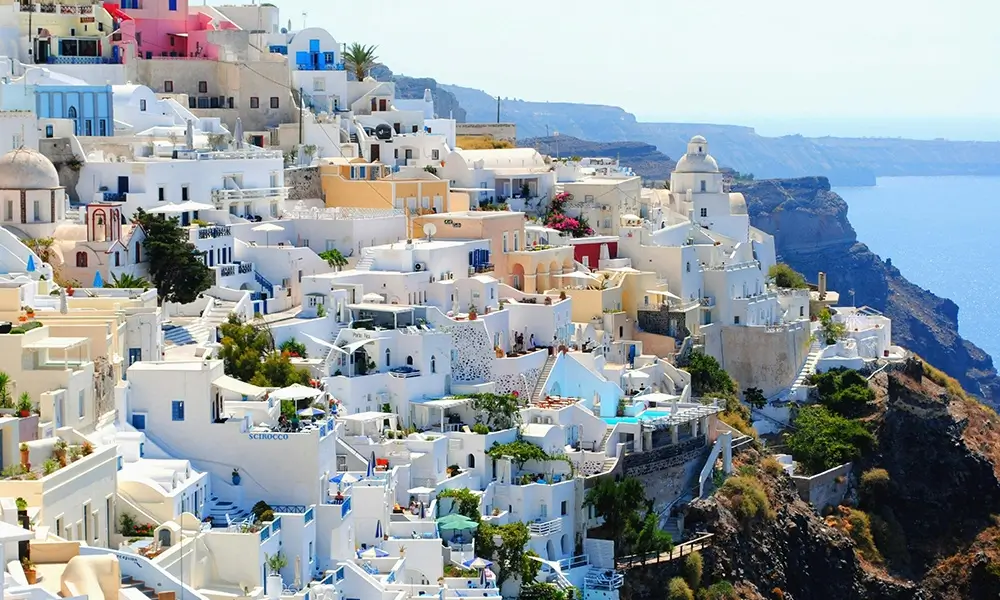
Athens and the Greek Islands are often compared, yet they represent fundamentally different investment models. Island markets are driven by tourism and peak-season demand, with Golden Visa–eligible properties in prime locations often starting from around €800,000 and concentrating capital in a single high-value asset. Athens, by contrast, offers a broader and more flexible investment landscape, including a wide selection of qualifying properties from €250,000 through conversion and redevelopment projects. Combined with year-round rental demand, stronger liquidity, and the ability to structure a more diversified portfolio, this positions Athens as the more accessible, scalable, and investment-efficient choice.
In the sections below, we explore the advantages and challenges of both markets, comparing property values, rental yields, legal frameworks, and eligibility for Greece’s Golden Visa through real estate investment.
Key Takeaways
- Athens offers year-round rental demand, supported by a diverse tenant base and stable occupancy.
- The Greek Islands rely on seasonal tourism, with income concentrated in peak summer months.
- Golden Visa entry in Athens can start from €250,000 through conversion projects, compared to ~€800,000+ for prime island assets.
- Athens enables portfolio diversification, while island investments are often concentrated in a single high-value property.
- Property prices in Athens remain below major European capitals, with stronger yield potential.
- Island markets can deliver high short-term returns, but come with greater volatility and management complexity.
Where Should You Invest: Athens or the Greek Islands?
For the majority of international investors, Athens represents the most balanced and resilient real estate opportunity in Greece. While the islands may offer strong short-term returns during peak tourist seasons, Athens combines consistent rental demand, capital appreciation, and lower operational complexity — all within a single market.
Unlike seasonal destinations, Athens functions as a year-round economic, educational, and business hub. This creates a diversified tenant base, including students, professionals, expats, and corporate tenants, ensuring stable occupancy levels across all seasons.
Athens also offers a clear structural advantage in terms of Golden Visa eligibility. Investors can access a broad range of qualifying properties from €250,000 through conversion and redevelopment projects, enabling more flexible entry and portfolio diversification. On the islands, by contrast, Golden Visa–eligible assets are typically concentrated in higher-value properties, with entry points often starting from around €800,000.
Athens Property Market Highlights: Growth, Demand & Golden Visa Incentives
Athens is a vibrant Mediterranean capital in the midst of significant urban renewal. The Athenian Riviera, in particular, is undergoing a multi-billion-euro transformation—featuring luxury marinas, green parks, five-star hotels, and landmark infrastructure developments.
- New-build projects offer strong capital appreciation potential, with property values often rising by 10–25% prior to completion.
- In Attica, property values are now 12.5% above 2008 levels, while Thessaloniki has surpassed its pre-crisis benchmark by 5.7%. Within Athens, the strongest price acceleration has been recorded in the southern suburbs, central districts, and northern areas, where increases of 20–30% have been observed in recent years.
- Rental prices have doubled in several key districts over recent years, driven by rising demand and constrained supply.
- Premium neighbourhoods such as those near universities, transport hubs, and key infrastructure are experiencing sustained demand and consistently low vacancy rates.
- Unlike the Greek Islands, Athens benefits from stable, year-round rental demand, offering greater predictability and risk mitigation for landlords.
Athens continues to attract high-net-worth individuals through Greece’s renowned Golden Visa program:
- As of August 2024, the standard minimum investment for property in Athens stands at €800,000.
- However, investors can still qualify with a reduced €250,000 threshold under two specific conditions:
- The property is of historical or cultural significance and requires restoration (renovation must be completed within five years)
- The asset is converted from commercial to residential use by a certified developer and complies with modern safety and energy efficiency standards
In both cases, location and size restrictions are waived, meaning investors may purchase property in any region, including prime areas of central Athens, while still benefiting from the lower €250,000 investment threshold.
Greece’s Golden Visa remains one of the most compelling residency-by-investment programmes in Europe, offering visa-free travel across the Schengen Zone and a clear pathway to EU citizenship.
Top Greek Islands for Property Investment and Seasonal Rental Income
Greece’s most sought-after islands for property investment include Santorini, Mykonos, Crete, Rhodes, Corfu, Ikaria, Lefkada, and Paros. Each offers distinct advantages for investors seeking strong seasonal rental income, lifestyle appeal, and long-term value. Below, we explore the highlights of key destinations:
| Island | Highlights & Demand | Rental Income | Seasonality |
| Santorini | Iconic cliffside homes, high-end tourism | High | Strong summer peak |
| Mykonos | Vibrant nightlife, premium villas | Very High | Summer only |
| Crete | Greece’s largest island; mix of prime and mid-market homes | Stable | Extended season |
| Rhodes | Blend of historical charm and modern resorts | Growing | Seasonal |
| Corfu | Lush scenery, international allure | Medium-High | Summer peak |
Emerging Island Destinations to Watch
- Ikaria: Known for its lush landscapes and wellness appeal, Ikaria is growing in popularity among families and long-stay visitors.
- Lefkada: A haven for watersports and sailing enthusiasts, Lefkada is attracting increasing tourism investment.
- Paros: With its traditional Cycladic villages and expanding tourism infrastructure, Paros offers solid mid-term growth potential.
In contrast to Athens, rental demand on the Greek Islands is highly seasonal, peaking during the summer tourism boom. While rental prices can reach premium levels in peak months, occupancy tends to fall significantly during the off-season.
Ongoing investment by the Greek government in island infrastructure including new roads, marinas, and regional airports, is enhancing accessibility and supporting long-term property value appreciation.
Property Prices in Greece: Market Trends & Capital Comparisons
In the luxury segment, values in prime districts such as the Athens Riviera, Kolonaki, and Glyfada typically start at ~€8,000 per m², with ultra-prime properties exceeding €10,000 per m². On the Greek islands, pricing is even more polarised: while high-end real estate in Corfu ranges from €3,500 to €8,000 per m², exclusive locations such as Mykonos and Santorini regularly exceed €10,000 per m², driven by strong demand and limited supply.
Athens Property Prices: A Value-Driven Capital Market
| Capital | Indicative luxury / prime pricing | Indicative gross yield |
| Athens | €7,000–€12,000+ / sq.m in prime areas such as Kolonaki and the Athens Riviera; top-end Riviera stock can go higher | ~4.99% city average |
| London | ~€27,200 / sq.m average prime pricing | ~4.3% |
| Paris | ~€23,000 / sq.m average prime pricing; ultra-prime can be far higher | ~3.9%–4.8% gross in cited sources |
Among European capitals, Athens stands out as one of the most attractive luxury real estate markets from a value perspective: prime districts still trade at a substantial discount to London and Paris, while offering positive price growth and rental yields that compare favorably with
Greek Island Property Prices: Market Entry & Premium Locations
Property prices across the Greek Islands vary significantly, shaped by tourism volume, local infrastructure, and exclusivity. The table below outlines average price ranges, key premium areas, and typical entry points for buyers looking to invest in both lifestyle and rental potential.
| Island | Avg. Luxury Price per m² | Prime Locations |
| Mykonos | €10,000–€14,000+ | Psarou, Ornos, Agios Ioannis |
| Santorini | €6,000–€15,000 | Oia, Imerovigli, Fira (caldera) |
| Corfu | €5,000–€9,000 | Northeast coast, Kommeno, Kassiopi |
| Crete | €4,000–€8,000 | Chania, Elounda, Heraklion |
| Rhodes | €3,500–€7,000 | Lindos, Faliraki |
| Paros / Cyclades (other) | €4,000–€9,000 | Naoussa, Antiparos |
Value vs Volatility: Where Capital Works Smarter
Athens stands out not only for stability but also for value efficiency. Compared to island markets where pricing is heavily influenced by tourism demand and limited supply, Athens offers:
- More entry points across different price segments
- Stronger correlation between price and rental demand
- Greater liquidity when exiting the investment
Island markets, particularly ultra-prime destinations like Mykonos and Santorini, can experience sharper price fluctuations tied to tourism cycles and global travel trends.
For investors focused on capital preservation alongside growth, Athens provides a more balanced risk-return profile.
Buying Property in Greece: What International Investors Need to Know
Foreign nationals are permitted to purchase real estate in Greece, with relatively few restrictions. The process involves securing a Greek tax number (AFM), conducting legal due diligence, and finalising the transaction through a notary. Total acquisition costs typically amount to 5–6% of the property’s value. Importantly, the entire procedure can be managed remotely via power of attorney, making it a practical option for non-resident investors.
Typical Transaction Costs When Buying Property in Greece
| Expense | Estimated Cost |
| Property transfer tax | 3.09% of the declared property value |
| Land registry fee | ~0.6% of property value |
| Notary fee | ~1.5% of property value |
| Power of attorney (if applicable) | From €150 |
| Official document translation | From €150 |
Taxation on Rental Income in Greece
| Individuals | 9% (up to €12,000) to 45% (over €35,000) |
| Companies | Flat corporate tax of 22% |
Ongoing Property Ownership Taxes and Costs in Greece
| ENFIA (annual property tax) | €2–€13 per m² |
| High-value property tax | 0.1%–1% (on properties over €300,000 or €600,000 shared) |
| Municipal tax (TAP) | 0.025%–0.035% of property value |
| Special corporate property tax | 15% of taxable value (for legal entities) |
| Utilities (electricity, water, etc.) | €200–€300/month (for 85–100 m² apartment) |
Rental Yield Potential in Greece
According to Global Property Guide, the average gross rental yield in Greece stands at approximately 4.73% annually. However, returns vary considerably based on location, seasonality, and property type:
- Short-term rentals in top tourist destinations can achieve yields of 6–8%
- Urban properties with long-term tenants offer more consistent, though typically lower returns
- Prime villas and boutique hospitality models may deliver higher returns, but also require greater upfront capital and active management
Athens vs. the Greek Islands – Rental Yield Comparison
- Athens:
- Year-round demand from students, professionals, and expats
- Excellent infrastructure (transport, retail, schools, marinas)
- More predictable, stable returns
- Greek Islands:
- Premium short-term rental rates in summer
- Ideal for prime villas, aparthotels, or tourism-based models
How to Choose the Right Rental Property in Greece
Choosing the right rental property depends on your income strategy, risk appetite, and preferred level of involvement. Key factors to consider include:
- Property type:
- Apartments are ideal in Athens due to strong demand from students, professionals, and digital nomads.
- Villas and aparthotels on the islands are well-suited to short-term, high-season lets, but often require higher capital investment and more hands-on management.
- Seasonality:
- For consistent income, prioritise locations with a year-round population and robust local infrastructure (e.g. Athens).
- For high-yield potential, short-term lets in seasonal tourism hubs like Mykonos or Santorini can be lucrative, but expect off-season vacancies.
- Energy Efficiency & Sustainability:
- Properties featuring solar panels, rainwater harvesting, and A-rated insulation often command higher rents and attract eco-conscious tenants.
- New builds with sustainable certifications are increasingly popular among international buyers.
- Modern Amenities:
- Smart home systems, high-speed fibre internet, and integrated streaming platforms are highly attractive to remote workers, digital nomads, and younger families.
- Niche Investment Markets:
- Accessible homes for retirees or mobility-limited residents
- Vineyard estates and agrotourism retreats
- Properties near hiking trails, diving spots, or water sports hubs
- Community & Social Value:
- Proximity to parks, playgrounds, cultural venues, and culinary attractions enhances rental appeal.
- Properties in areas renowned for festivals, food tourism, or heritage experiences consistently attract visitors seeking authentic local culture.
- Golden Visa Compatibility:
- Astons can assist in identifying properties that qualify for the Greek Golden Visa program. We guide clients through every step: from property selection to residency application, ensuring compliance and maximum investment value.
Market Outlook: Athens and the Greek Islands
Greece’s real estate sector is experiencing a sustained resurgence, underpinned by economic growth, infrastructure investment, and renewed international interest.
| Metric | 2025 Data |
| National property price growth | ~6.6% (YoY) |
| 10-year cumulative growth | +60% |
| Foreign direct investment (FDI) in real estate | €527M within the first 9 months of 2025 |
| Most in-demand regions | Athens leads demand, with prime areas including Glyfada, Vouliagmeni, Kifisia, Kolonaki and Marousi, followed by Attica, Thessaloniki, Halkidiki, and the Ionian & Cycladic islands |
Positive Economic and Investment Climate
- Greece ranks among the top three fastest-growing economies globally, according to The Economist
- S&P upgraded Greece’s credit rating to ‘BBB’, reinforcing investor confidence
- The European Banking Authority projects property price stabilising around 3.4% annually through 2027
- Rental demand continues to climb, especially in the suburban Athens
Final Verdict: Athens or the Greek Islands?
While island properties are often marketed for their high seasonal returns, in practice they represent a more complex and less predictable investment model.
Athens stands out as the clear choice for serious investors.
It combines the advantages of a capital city — economic activity, infrastructure, and year-round demand — with property prices that remain significantly below other major European markets.
Unlike the islands, where income is concentrated within a short summer window, Athens delivers:
- Stable rental demand 12 months a year
- A broader and more reliable tenant base
- Strong alignment with Golden Visa investment criteria
Whether you’re seeking a strategic investment property or looking to secure EU residency through the Greek Golden Visa program, Astons offers tailored, end-to-end guidance.
We help you:
- Identify properties aligned with your lifestyle and financial goals
- Navigate local legal, tax, and regulatory frameworks
- Qualify for residency by investment, seamlessly and securely
FAQ
Which areas of Athens are best for rental property investment?
Glyfada, Voula, and Vouliagmeni are prestigious suburbs along the Athenian Riviera, known for their beautiful beaches and seaside promenades. Kifisia and Chalandri, located in the north, offer a greener environment and a more relaxed lifestyle compared to central Athens. Piraeus — the country’s largest port city — serves as a major logistics and business hub. The best area depends on the investor’s goals and preferences.
Which islands are most popular for buying property to rent out?
What is the average rental yield in Athens and on the islands?
What are the key tax considerations when buying property in Greece?
What are the main risks of investing in property on the islands?
What are the main steps in the property purchase process in Greece?
What are the price growth prospects for property in Athens and on the islands?

Recommended materials

Buying Property in Greece Remotely in 2026
 5 minutes of reading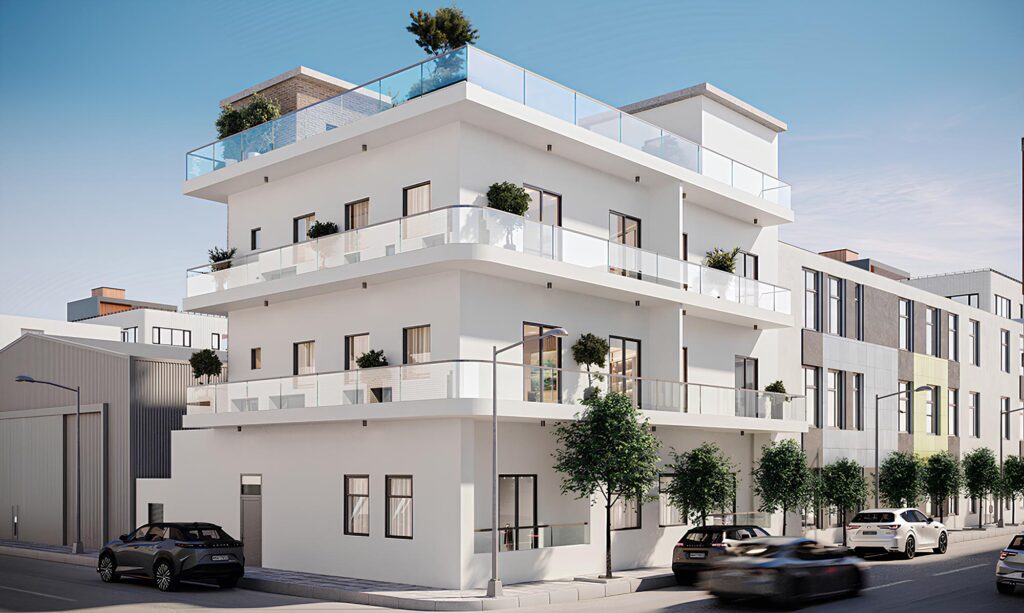
Astons’ Selection: New Investment Projects in Promising Areas of Athens
16 minutes of reading 
New Apartments in Tavros-Kallithea
3 minutes of reading 
Premium Athens Apartments in Neo Irakleio
2 minutes of reading 
Greek Residency through Reconstructed Property
6 minutes of reading Astons Community on social media


We’ll review your case and find the optimal path
In a 30-minute Consultation, We Will:
- Define a step-by-step process tailored to you
- Discuss the investment process and documentation
- Explain the risks and potential challenges in detail
- Initiate an internal assessment of your case’s success